Click images to see Classic Northwest Then and Now Photographs
Go to “About” for website details, or search for other photographs through the “Map” or “Gallery” menu pulldowns.
Repeat photography | Then and now images
Click images to see Classic Northwest Then and Now Photographs
Go to “About” for website details, or search for other photographs through the “Map” or “Gallery” menu pulldowns.
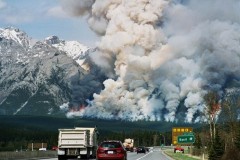
It’s interesting the comments about the origins and causes for the many wildfires never mention that the wildfire areas had overmature timber that was set up for wildfires like those killed by the mountain pine beetle. The 2024 massive wildfire, and the previous smaller wildfires a few years earlier, never mentioned the amount of dead, dry, older beetle-killed trees that were like kindling to a lightning strike. Is that because they want to ignore the fact that the principal cause of wildfires is old flammable trees? Nature requires old tree areas to be refreshed with wildfire, or with a better choice like logging, to provide habitat for the wide range of species that like younger forests.
Yes, Indigenous fire management tended to maintain young forests, shrublands and meadows that did not fuel the blowup wildfires becoming more common today. Our society suppresses fire to protect fences, forage for stock, commercial forests, houses, and towns. Although forest harvesting can certainly reduce risk, it needs to be combined with FireSmart infrastructure protection, and in areas where timber harvest is not commercially,politically or legally feasible some form of fire use is required (prescribed fire, broad containment of randomly ignited fires). In Canada by far the majority of the forest land is uneconomic for commercial harvesting and fuel reduction. Subsidy for harvesting is required but needs careful priorization towards areas around towns etc. with high risk.
Changing fire regimes is only one of many altered cultural and ecological processes as the northwest landscape has transitioned from regional biomes to global anthromes.